Lawn Care Services in Atlanta GA: A Complete Guide for Residential and Commercial Properties
Atlanta lawns are more demanding than most homeowners realize when they move into a property — and more forgiving than most think once they understand what the lawn actually needs. Georgia red clay, a humid subtropical climate, and the specific growth patterns of warm-season grasses like Bermuda and Zoysia create a lawn care environment that doesn't respond well to generic national advice. What works for a lawn in Charlotte or Nashville or Phoenix doesn't necessarily work here. Yardsmith provides full-service lawn care throughout Atlanta and the surrounding metro — for residential properties that want a consistently healthy lawn without managing it themselves, and for commercial properties and HOAs that need reliable, professional grounds maintenance on a consistent schedule. This guide covers everything Atlanta property owners need to know about caring for their specific lawns.
Why Atlanta Lawns Require Specialized Care
The combination of factors that make Atlanta lawns challenging is genuinely distinct — not marketing language:
Georgia red clay soil Atlanta's characteristic red clay is dense, fine-particled, and compacts easily under foot traffic, mowing equipment, and rain. Compacted clay restricts the movement of air, water, and nutrients to root systems — creating grass that looks thin, struggles during dry periods, and develops persistent weed and disease pressure regardless of how much it's watered or fertilized at the surface. Core aeration is the foundational intervention that makes every other lawn care service more effective in Atlanta's clay soil environment.
Highly acidic soil pH Georgia red clay is naturally acidic — often too acidic for common Atlanta grass types to efficiently absorb the nutrients that are applied to them. Lime applications correct pH over time, but the timing and rate require local soil knowledge. A fertilization program applied to pH-imbalanced soil produces a fraction of the results it would in a properly corrected lawn.
Warm-season grass dynamics Bermuda, Zoysia, and Centipede — Atlanta's dominant residential grass types — are warm-season grasses that go fully dormant and brown from approximately November through March. Homeowners who apply cool-season lawn care logic to warm-season Atlanta turf consistently make timing mistakes that reduce effectiveness significantly. The fertilization, weed control, and aeration windows for these grasses are specifically tied to soil temperature and growth activity — not the calendar date.
Humidity and disease pressure Atlanta's humid subtropical climate creates conditions for rapid-spreading turf diseases — Brown Patch, Dollar Spot, and Gray Leaf Spot all proliferate in Atlanta lawns during humid summer periods. Proactive fungal management and proper mowing height practices are Atlanta-specific requirements that most national lawn care guides don't cover adequately.
Soil moisture extremes Atlanta clay expands when saturated in wet periods and contracts and hardens during summer drought — creating drainage problems, surface runoff, and drought stress cycles that soil without compaction issues handles better. Managing these extremes requires both the right timing and the right interventions.
The Most Common Grass Types in Atlanta Metro Lawns — And What Each Needs
Knowing your grass type is the most important single piece of lawn care knowledge an Atlanta homeowner can have — because the timing, products, and approach for each type differ significantly:
| Grass Type | Season | Best For | Key Care Requirements |
|---|---|---|---|
| Bermuda | Warm-season — dormant Nov–Mar | Full sun, high-traffic areas, fast recovery | Full sun required (6+ hours), high nitrogen fertilization, mow at 1–1.5 inches, very drought-tolerant once established |
| Zoysia | Warm-season — dormant Nov–Mar | Residential lawns wanting dense, soft turf with some shade tolerance | Tolerates light shade better than Bermuda, requires annual dethatching, mow at 1.5–2.5 inches, susceptible to fungus if overwatered |
| Tall Fescue | Cool-season — green year-round in Atlanta | Shady lawns, year-round green color, transitional zone properties | Thrives spring and fall, struggles in summer heat, requires annual or biennial overseeding, higher water usage in summer |
| Centipede | Warm-season — dormant Nov–Mar | Low-maintenance lawns, acidic soils common in southern and rural Atlanta | Very low fertilization requirements, sensitive to over-fertilization, prefers full sun, light green color |
Residential Lawn Care Services in Atlanta GA — What Yardsmith Provides
Yardsmith provides full-service residential lawn care throughout Atlanta metro — built around what Atlanta's specific turf and soil actually require rather than a one-size-fits-all maintenance package:
Core maintenance services:
Mowing and edging Consistent, properly timed mowing at the correct height for your specific grass type — not a generic cutting schedule. Mowing height has a direct impact on root depth, drought resistance, and weed suppression in Atlanta lawns. Precision edging along walkways, driveways, and bed borders.
Fertilization Customized nutrient programs timed to your grass type's growth cycle — not a four-step generic program. Warm-season grasses receive nitrogen applications during active summer growth. Tall Fescue programs are timed around fall and spring when the grass is actually growing. Soil pH correction with lime applications when needed.
Weed control Pre-emergent applications before crabgrass and summer annual weed germination — timed to soil temperature, not the calendar. Post-emergent treatment for active weeds using selective herbicides appropriate for your specific grass type. Atlanta's clay soil and humid climate create persistent weed pressure that requires a proactive, calendar-based program rather than reactive spot treatment.
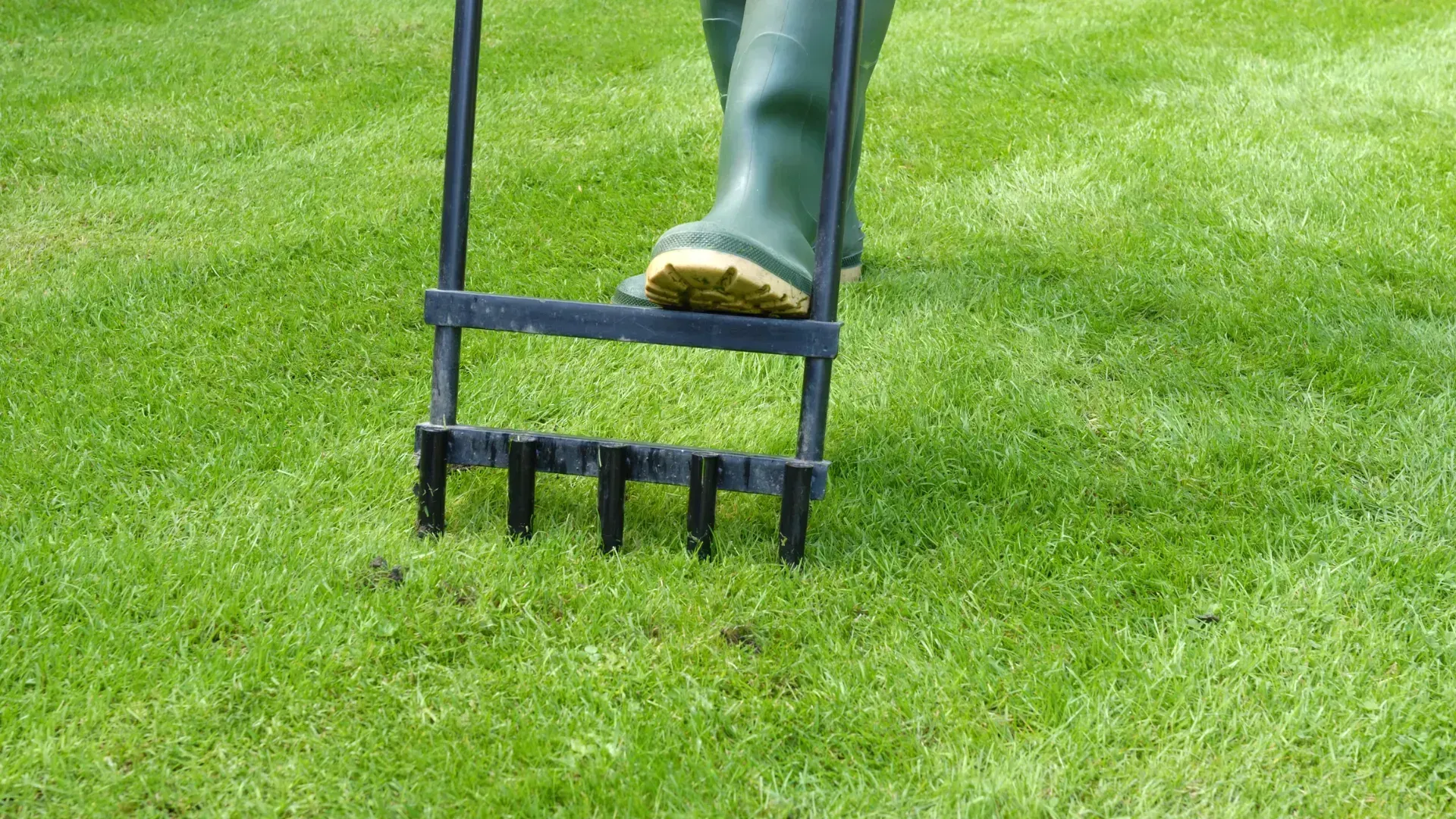
Core aeration The most important service for Atlanta's clay soil — covered in detail below. Yardsmith performs core aeration (removing actual soil plugs) rather than spike aeration, which compacts clay further rather than relieving it.
Overseeding For Tall Fescue lawns — annual or biennial overseeding in September restores density lost through summer heat stress. For warm-season lawns with thin or bare areas — targeted overseeding coordinated with aeration timing for maximum germination.
Seasonal cleanups Leaf removal, debris clearing, and property preparation for seasonal transitions — keeping commercial and residential properties maintained through every season including winter dormancy.
Commercial Lawn Care Services in Atlanta GA — What Yardsmith Provides
Commercial properties in Atlanta have maintenance standards and reliability requirements that residential lawn care doesn't fully address. Yardsmith provides commercial grounds management for HOA communities, retail centers, office parks, and commercial properties throughout the Atlanta metro:
Core commercial services:
- Weekly year-round mowing, edging, and blowing — consistent schedule regardless of season
- Tree and shrub care — trimming, pruning, and structural maintenance
- Mulch installation and pine straw application — bed maintenance and curb appeal
- Weed control programs — pre-emergent and post-emergent on commercial-scale properties
- Seasonal color enhancement — planting rotations for year-round visual interest
- Retention pond and drainage area clearing — environmental compliance and drainage maintenance
- Seasonal debris removal and grounds cleanup
What commercial clients specifically require from a lawn care provider:
- Consistent scheduling — commercial properties can't have maintenance that slips when it's inconvenient for the contractor
- Reliable communication — property managers need to know the work is done, issues are flagged, and the account is being managed
- Professional appearance standards — HOA communities and retail properties have aesthetic requirements that residential maintenance doesn't impose
- Compliance awareness — pesticide application, retention pond management, and tree work near structures all have regulatory considerations that require professional expertise
Yardsmith serves commercial accounts throughout Atlanta metro with the same reliability standards we apply to every residential client.
The Atlanta Lawn Care Calendar — What Your Lawn Needs Every Season
This is the most practically useful piece of lawn care knowledge for Atlanta property owners — because timing is what separates effective lawn care from wasted effort:
Spring (March–May) — growth activation and prevention
| Task | Timing | Notes |
|---|---|---|
| Pre-emergent weed control | February–March | Apply before soil temperatures reach 55°F — stops crabgrass before germination |
| First fertilization | April | As soil warms and warm-season grasses break dormancy |
| Core aeration — warm-season grasses | Late April–May | During active growth window for Bermuda and Zoysia |
| Begin mowing | When grass shows active growth | Start at appropriate height for grass type — not a fixed date |
Summer (June–August) — heat management and maintenance
| Task | Timing | Notes |
|---|---|---|
| Deep, infrequent watering | Throughout summer | Morning watering encourages deep roots — shallow frequent watering creates shallow root systems |
| Maintain mowing height | Throughout summer | Higher cuts protect roots from heat stress — don't scalp warm-season lawns in summer |
| Post-emergent weed treatment | As needed | Spot treat active weeds — avoid broadcast herbicide applications in extreme heat |
| Summer fertilization | June–July | Slow-release formulations for warm-season grasses — avoid fertilizing in extreme heat stress |
Fall (September–November) — recovery and preparation
| Task | Timing | Notes |
|---|---|---|
| Core aeration + overseeding — Fescue | September | The most important fall event for cool-season lawns |
| Fall fertilization — Fescue | September–October | Builds root reserves for winter and spring green-up |
| Pre-emergent for winter weeds | October | Stops Poa annua and cool-season annual weeds before germination |
| Final warm-season fertilization | September | Before dormancy — builds root carbohydrate reserves |
Winter (December–February) — dormancy and preparation
| Task | Timing | Notes |
|---|---|---|
| Soil testing | January–February | Results guide spring fertilization and lime application planning |
| Lime application if needed | Winter | Corrects pH during dormancy — takes months to fully affect soil chemistry |
| Leaf removal and cleanup | Throughout | Leaves left on dormant warm-season grass promote disease and thin turf |
| Minimize traffic on dormant lawns | Throughout | Walking on frozen or frost-covered dormant grass damages crown tissue |
Why Atlanta's Red Clay Soil Makes Professional Lawn Care More Important
This is the factor that explains why Atlanta lawns with identical fertilization and watering programs perform so differently from each other — and why DIY lawn care consistently underperforms professional service in this market:
What clay soil compaction actually does: Dense clay particles pack together under traffic and equipment weight, eliminating the pore space that roots need for oxygen, water movement, and nutrient access. A compacted Atlanta lawn is essentially growing grass in conditions of perpetual mild suffocation — the inputs reach the surface but can't reach the roots effectively.
Why DIY aeration typically fails in Atlanta clay:
- Spike aerators — the most common consumer tool — push soil particles to the side rather than removing them, increasing compaction around each spike rather than relieving it
- Consumer-grade plug aerators lack the power to penetrate dry summer Atlanta clay effectively
- Timing errors — aerating before or after the optimal growth window reduces recovery and results
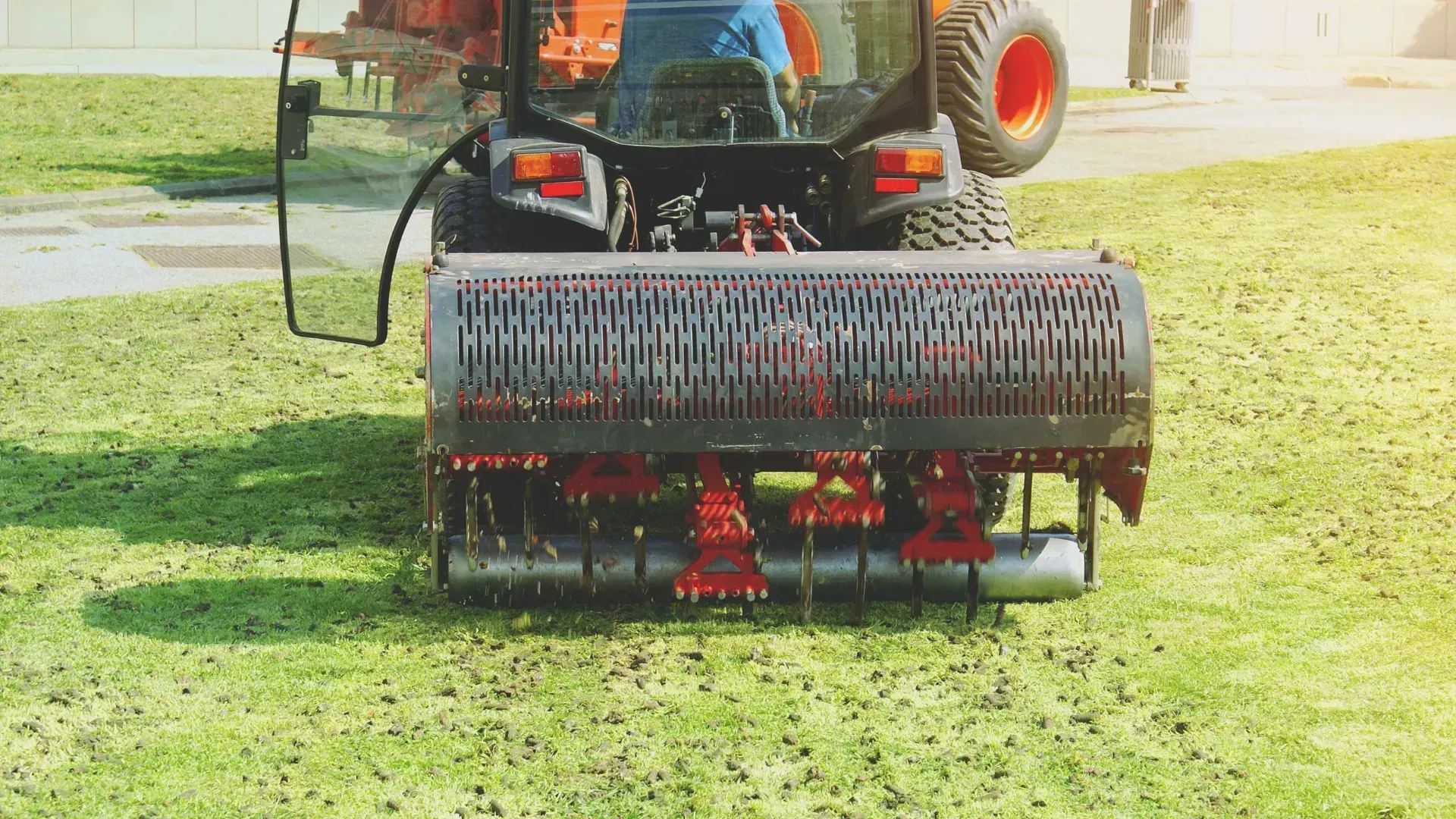
What professional core aeration accomplishes: Professional equipment removes actual soil plugs to 3 to 4 inch depth — creating channels for air, water, and nutrients to reach the root zone while relieving the compaction pressure that was restricting them. The extracted plugs break down on the surface, adding organic matter to the soil profile. Combined with appropriate fertilization and overseeding immediately after, core aeration is the single highest-impact annual lawn care investment for Atlanta clay soil lawns.
Lawn Aeration in Atlanta GA — The Most Important Service Most Homeowners Skip
Aeration is the service most Atlanta homeowners either skip entirely or perform incorrectly — and it's the foundation that makes every other lawn care service more effective:
Why Atlanta clay lawns need annual aeration:
- Breaks up compaction that restricts root growth regardless of how much fertilizer or water is applied at the surface
- Reduces thatch buildup that accumulates faster in compacted clay than in well-structured soil
- Creates the seed-to-soil contact that makes overseeding effective — without aeration holes, overseeding seed sits on the surface and germinates poorly
- Improves water penetration and reduces the surface runoff that's common on compacted Atlanta clay lawns
Optimal aeration timing for Atlanta grass types:
- Bermuda and Zoysia — late April through May during active growth. Avoid aerating dormant warm-season grass
- Tall Fescue — September, combined with overseeding. Fall aeration + overseeding is the most important annual event for Fescue lawns in Atlanta
Core aeration vs. spike aeration: Core aeration removes soil plugs. Spike aeration pushes soil particles aside. In Atlanta's clay soil — spike aeration creates compaction rings around each spike. Core aeration is the only method that actually relieves clay compaction — and it's what Yardsmith performs on every aeration service.
For a complete guide to lawn aeration timing, technique, and what to do immediately after, Yardsmith's aeration guide will be linked here as the first spoke blog in this cluster.
What to Look for When Hiring a Lawn Care Service in Atlanta
Use this checklist before signing any lawn care contract:
| What to Verify | Why It Matters |
|---|---|
| Licensed and insured | Georgia requires licensing for pesticide application — verify coverage for both liability and workers' compensation |
| Local Atlanta metro experience | Clay soil management, warm-season grass timing, and Atlanta's specific weed and disease pressures require regional knowledge |
| Written estimates and contracts | Scope of services, frequency, pricing, and what happens if you're not satisfied — all in writing before any work begins |
| Grass type expertise | Can they correctly identify your grass type and explain the care program for it specifically? |
| References from similar properties | Residential references for residential work, commercial references for commercial accounts |
| Clear communication protocol | How are service completions confirmed? How are issues reported? How is scheduling communicated? |
Red flags to avoid:
- Reluctance to provide proof of insurance or licensing
- Cash-only payment requirements
- Vague verbal quotes with no written scope
- Pressure to sign long-term contracts immediately before assessing your property
- Pricing significantly below every other local competitor — usually signals unlicensed workers or cut-corner service
Questions to ask before signing:
- How long have you been serving the Atlanta metro area?
- Are you familiar with treating [your specific grass type] in our part of Atlanta?
- What is your process if I'm not satisfied with a service visit?
- Do you provide a written invoice for each completed service?
Serving Atlanta and Surrounding Metro Communities
Yardsmith provides residential and commercial lawn care throughout Atlanta and the surrounding metro area — including:
Alpharetta • Marietta • Roswell • Sandy Springs • Dunwoody • Smyrna • Decatur • Kennesaw • Woodstock • Peachtree City • Fayetteville • Johns Creek • Norcross • Tucker • Cumming • Milton • Canton
Whether you're searching for lawn care near you in Alpharetta, a commercial lawn maintenance provider in Marietta, or a full-service residential lawn care company anywhere in the Atlanta metro — Yardsmith serves your area with the same locally-specific expertise we bring to every property we maintain.
Why Atlanta Homeowners and Property Managers Choose Yardsmith
Atlanta lawn care isn't complicated when you work with a provider who understands what Atlanta lawns actually need — the right grass type, the right timing, the right soil interventions for Georgia red clay, and the right seasonal program for this specific climate.
Yardsmith brings that regional expertise to every residential and commercial account we serve — with the reliability, communication, and consistent quality standards that property managers and homeowners depend on.
What you get with Yardsmith:
| What We Provide | What It Means for Your Property |
|---|---|
| Atlanta metro expertise | Clay soil management, warm-season grass timing, and Atlanta-specific weed and disease programs — not national generic advice |
| Full-service capability | Mowing, fertilization, weed control, aeration, overseeding, seasonal cleanups — one provider handles everything |
| Residential and commercial service | Same reliability and professional standards whether you're a homeowner or managing an HOA or commercial property |
| Customized programs | Your grass type, your soil condition, your property — not a one-size-fits-all package |
| Consistent scheduling | Commercial and residential accounts maintained on reliable, predictable schedules |
| Written estimates and communication | Scope, pricing, and service documentation in writing before work begins and after every visit |
| Licensed and insured | Full coverage for every service performed on your property |
Ready to stop managing your Atlanta lawn and start enjoying it? Contact Yardsmith today for your free lawn care assessment.
Recent Posts
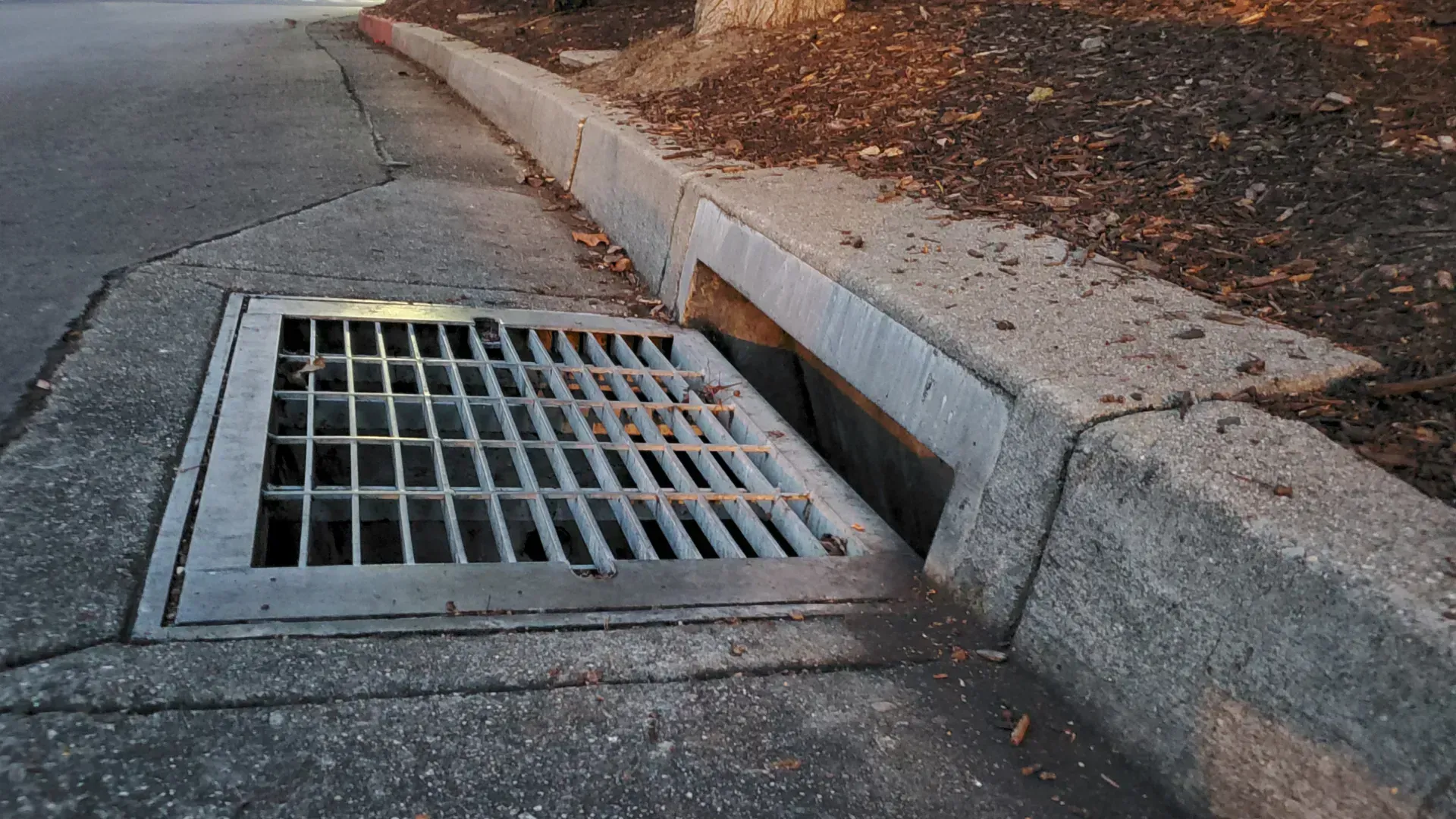
Why Georgia's Heavy Clay Soil Makes Proper Drainage a Non-Negotiable for Atlanta Homeowners and HOAs